We believe that testing is an essential component for rapidly growing products, and believe it should be part of the development process as early as possible. Many teams skip testing due to cost or time constraints. However, our team has proven with clients that testing is essential to product stability, especially when teams are rapidly deploying and changing features.
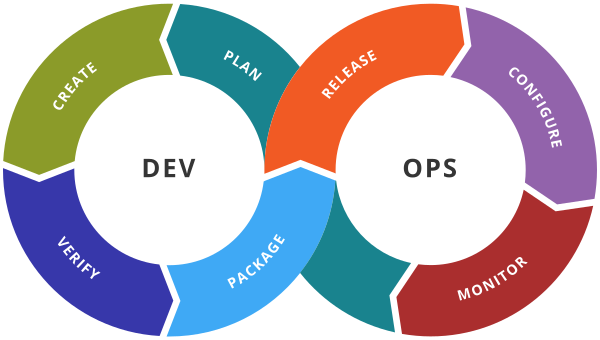
Our expert developers practice a variety of testing methodologies including unit testing, end-to-end (e2e) testing, integration testing, penetration testing, and more. We work with stakeholders to establish the appropriate level of testing based on their associated time costs as they relate to the project deliverables. These tests are then added to the team’s CI/CD pipeline to check each change introduced to the system does not create an unintentional regression in behavior.
Unit Testing
Every technology comes with a preferred testing methodology for unit testing. Our team uses the recommended tooling for the technologies and follows testing best practices to ensure systems are appropriately tested. We don’t just test that a component will render, but also test how it behaves when a user interacts with it. This helps when modifying behaviors during rapid development cycles as it helps teams identify when a regression to existing behavior might occur and allow the team to discuss with stakeholders to ensure the expected results are achieved.
E2E Testing
For teams in a hurry, we recommend e2e testing at a minimum via tools like Cypress and Playwright to validate core workflows. Tests run prior to any production deployment to ensure users will not be impeded from using your applications key tools. We recommend expanding test coverage to all features and systems eventually to ensure there are no regressions in any system behavior allowing you to build with speed as teams have a security blanket when making changes. This better enables teams to tackle tech debt as they have automated tooling to ensure no issues have been introduced when making system refactors.
Visual Testing
We have worked with teams that have strict visual requirements for their applications. For these teams, we recommend introducing Storybook for components and integrating with tools like Chromatic or Percy. This allows developers to rapidly build components in isolation and easily share to key stakeholders for visual review before ever deploying the change to production. These tools also easily allow for different states to be validated and does not require stakeholders to open preview applications and log in via different accounts to see the different states thus expediting the review process.